
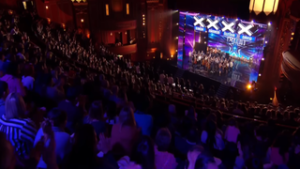
When Pianist Nicholas Bryant walked into an otherwise routine audition room, nobody expected what would happen next. The hushed, nervous atmosphere — pens tapping, paperwork rustling, shoulders hunched — shifted in an instant into something joyous and surprising: a full-blown flash mob led by The Collaborative Orchestra and Singers. If you love stories where music breaks the rules and turns a formal moment into a communal celebration, this one will warm your heart.
Why this audition went viral
Auditions are usually tense, private, and focused. What made this particular moment so memorable was the contrast. Instead of sticking to the script, Pianist Nicholas Bryant and his collaborators flipped expectations by turning the audition into performance art. Several things helped it catch fire online:
- Element of surprise — nobody sees a flash mob coming in a silent waiting room.
- Professional execution — The Collaborative Orchestra and Singers weren’t amateurs; their timing and arrangement were polished.
- Emotional payoff — the shift from anxiety to delight is instantly relatable and highly shareable.
- High-quality recording and storytelling — the clip framed the reveal in a way that made viewers feel they were in the room.
Who are the collaborators?
The flash mob wasn’t a solo stunt. Pianist Nicholas Bryant teamed up with The Collaborative Orchestra and Singers — a flexible collective known for blending classical technique with theatrical ideas. They specialize in pop-up performances that bring classical instruments into everyday spaces, making music accessible and surprising.
Working with a group like this allowed Nicholas to keep the musical standards high while adding choreography, vocal harmonies, and staging that turned a private audition into a public moment.
How the surprise was planned
Pulling off a surprise of this scale during an audition requires planning without ruining the reveal. Here’s a simple breakdown of how moments like this usually come together:
- Secret coordination — a few people in the audition team must be in on it to allow space and timing.
- Rehearsal logistics — the orchestra and singers rehearse separately and use cues to sync with the pianist.
- Sound and staging — even a minimal setup needs thought so the piano and voices balance well in the room.
- Audience management — ensuring the auditions and judges remain comfortable and not ambushed in a negative way.
From what we can see in the footage and interviews, Nicholas handled all of this with a light touch: respectful of the audition format, but ready to transform it when the moment felt right.
Musical choices that made the moment work
Flash mobs can fail if the arrangement doesn’t connect. Nicholas and The Collaborative Orchestra and Singers chose pieces and arrangements that did three important things:
- Bridge familiarity and surprise — recognizable melodic lines invite the audience in, while fresh orchestration keeps it interesting.
- Showcase the pianist — Nicholas’s playing remains central, so the stunt enhances rather than overshadows him.
- Build emotional arc — the performance moves naturally from quiet to exuberance, creating a satisfying payoff.
Those choices made the reveal feel thoughtful, not gimmicky.
Audience reaction and impact
The immediate reaction in the room: stunned silence followed by cheering, laughter, and tears. Auditions often bring out vulnerability, and this unexpected celebration amplified that vulnerability into connection. Online, the clip resonated for similar reasons — viewers loved seeing decorum replaced by human warmth.
Longer-term, moments like this can shift perceptions about classical music and auditions:
- They humanize musicians, showing personality beyond technique.
- They make classical instruments and ensembles feel relevant and playful.
- They inspire other performers to experiment with context — taking music out of concert halls and into everyday life.
What organizers should consider before trying something similar
If you’re inspired to stage a musical surprise, keep these friendly tips in mind:
- Consent matters — avoid making anyone the butt of a joke; focus on shared delight.
- Clear signal plan — have discreet cues so performers sync without shouting.
- Respect context — some auditions or official settings won’t permit surprises for legal or safety reasons.
- Record thoughtfully — capture the moment without turning participants into unwilling viral stars.
Why this matters beyond the viral clip
At first glance, a flash mob in an audition is a fun stunt. But it also speaks to something bigger about how musicians — and art in general — can engage audiences differently. Pianist Nicholas Bryant’s choice to collaborate with The Collaborative Orchestra and Singers shows a willingness to reimagine traditions: auditions become performances, performers become hosts, and listeners become participants.
That’s a small but meaningful cultural shift, especially for younger audiences who crave interactivity and authenticity in arts experiences.
Quick takeaways
- The success hinged on surprise, quality execution, and emotional pacing.
- Collaboration amplified effect; it wasn’t just about one pianist showing off.
- Ethical planning kept the moment joyful rather than intrusive.
Relevant videos
Here are a few YouTube videos that capture similar vibes — flash mobs, pop-up orchestras, and collaborative surprises. They’ll give you a feel for how these performances are staged and received.
Conclusion
Focus keyword: Pianist Nicholas Bryant
What Pianist Nicholas Bryant and The Collaborative Orchestra and Singers accomplished is more than a clever audition trick — it’s a reminder that music can transform moments. That surprising flash mob turned nerves into joy, strangers into an audience, and a private audition into a shared celebration. If you take one lesson from this, let it be that thoughtful risk-taking in performance can create memories that resonate far beyond the final chord.
FAQ
1. Who is Pianist Nicholas Bryant?
Nicholas Bryant is a pianist known for combining solid technique with creative presentation. In this instance, he collaborated with The Collaborative Orchestra and Singers to stage a surprise flash mob during an audition.
2. What is The Collaborative Orchestra and Singers?
The Collaborative Orchestra and Singers is a flexible ensemble that stages pop-up performances and collaborative projects, often blending classical training with theatrical or public-space presentations.
3. Are flash mobs legal to stage in auditions or public spaces?
Legality depends on venue rules, local ordinances, and consent. Always check with organizers and secure permissions when planning a public performance or a surprise in a private event.
4. How can a pianist include others without losing the focus on their own audition?
Plan arrangements that keep the pianist central, use supporting voices and instruments to enhance rather than overshadow, and rehearse cues so balance and timing are smooth.
5. Why do flash mobs go viral?
They combine surprise, emotion, and shareable visuals. When a performance transforms an ordinary setting into something joyful, people want to pass that feeling along.
6. Can I replicate this idea for a small community event?
Yes. Start small, get permissions, recruit reliable musicians, rehearse discreetly, and design the piece to suit the space and audience. Keep consent and safety front of mind.